
Color That Holds Up Past the Repair
Auto painting in Lakewood for collision damage, rust repair, and custom finish work
Whatever It Takes Automotive handles auto painting the way collision and rust repairs demand: with prep work that matches the problem, spectral color analysis to hit the factory shade, and a controlled curing environment that lets the finish set correctly. Drivers dealing with collision damage, surface rust that's breaking through the clear coat, or a custom color change all require different approaches to prep and primer—and those differences are what determine whether the final coat holds. This shop in Lakewood covers all three categories under one roof.
The preparation stage is what separates a lasting paint job from one that peels or fades unevenly within a season. For collision repair, the affected area is sanded, straightened, and primed before color is applied. Rust repairs follow a different sequence: rust-inhibiting primer goes down first to prevent the corrosion from migrating under the new paint—a step that gets skipped at shops treating rust as a cosmetic issue rather than a structural one. Custom work follows the finish sequence you've chosen, applied in the right stage order to achieve depth and consistency. All paint work cures in controlled conditions rather than ambient air, which affects how the layers bond and how long the finish lasts.
Request a free estimate at Whatever It Takes Automotive to review what prep your vehicle's paint situation actually requires.
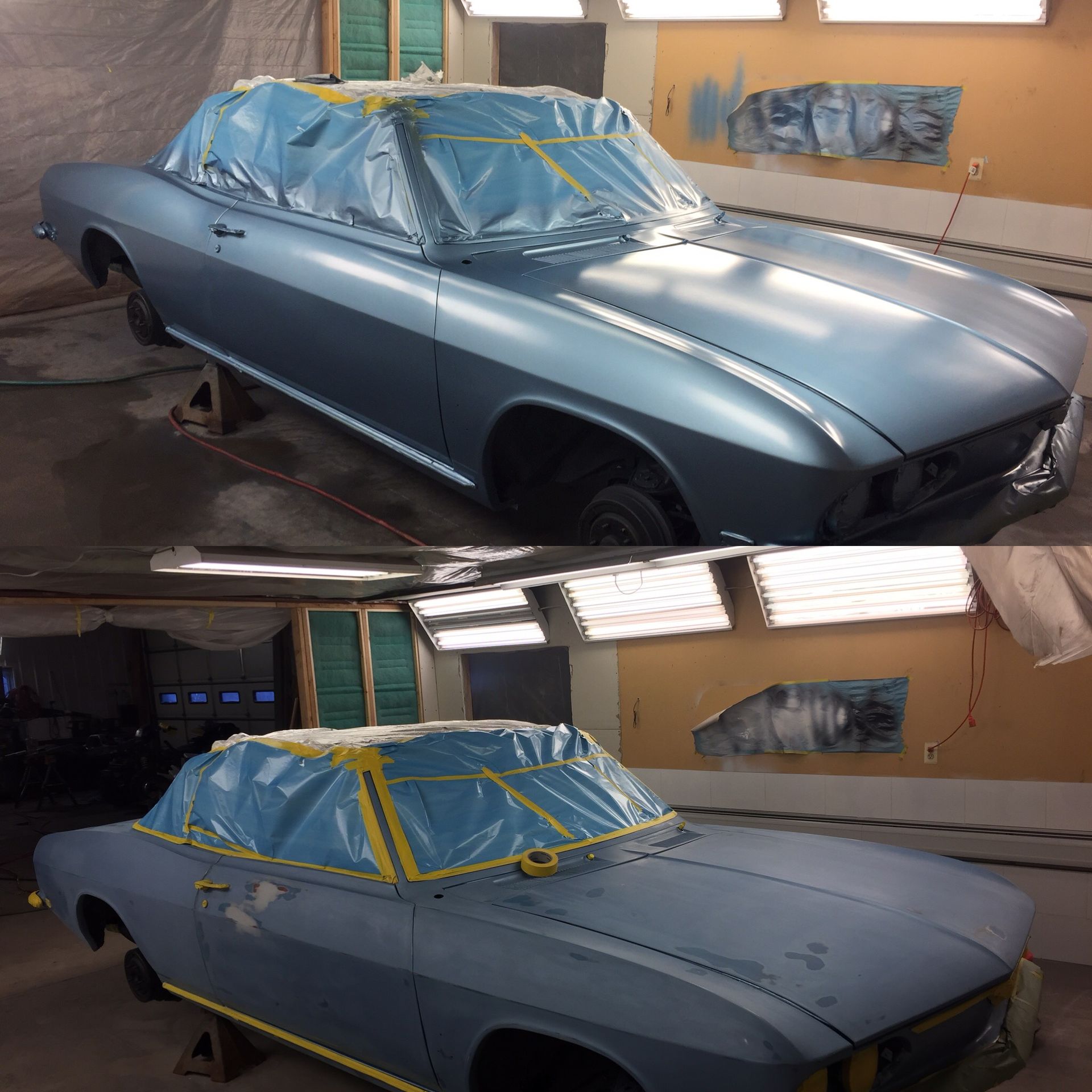
How Paint Matching and Finish Stages Work Together
Factory color matching uses spectral analysis to read the exact paint code values from your vehicle's surface, accounting for any fading or oxidation on the surrounding panels. This matters because mixing to the code alone often produces a visible mismatch against aged original paint—the spectral reading adjusts the target to what your car actually looks like today. Multi-stage finishes, which include a base coat and a separate clear coat, require each layer to flash off correctly before the next goes down, and rushing that interval is one of the most common reasons repainted panels develop texture problems or fail to match adjacent panels in sheen.
Once the work is complete, the repainted panel will match the surrounding finish in both color and surface depth rather than reading as obviously different under direct light. For rust repairs, the treated area will be fully sealed beneath the primer and topcoat, with no soft spots or bubbling at the edges—the signs that a previous repair was applied over active corrosion rather than properly treated metal. Custom work will show consistent coverage across the finished area with no dry spots or uneven layering in the clear.
Paint work at Whatever It Takes Automotive can be handled as part of a collision or rust repair job, or as a standalone service for cosmetic work. The shop works with all insurance companies and aftermarket warranties, and has done so throughout thirty years of automotive repair.

Common Questions About Auto Paint Work
The questions below cover how paint prep, color matching, and finish application are handled—specifically how the condition of your vehicle and the type of repair affects each step of the process.
What is spectral color analysis and why does it matter for repaints?
Spectral analysis reads the actual light values coming off your existing paint rather than relying solely on the factory code, which produces a closer match on panels that have faded or oxidized since the vehicle was built. On older vehicles—common in Lakewood where working trucks and daily drivers often run ten or more years—this step is what keeps a repaired door from looking visibly different from the original quarter panel.
How does rust repair painting differ from standard spot repair?
Rust repair requires rust-inhibiting primer applied directly to the treated metal before any topcoat goes on, because painting over corrosion without that barrier allows rust to continue spreading beneath the surface and eventually lifts the new paint from underneath.
What does a multi-stage finish include?
A multi-stage finish separates the color layer and the protective clear coat into distinct applications, each allowed to flash off fully before the next is applied—this layering is what gives factory paint its depth and durability compared to single-stage products.
Why does curing environment affect how paint performs long-term?
Paint cured in controlled conditions bonds more completely and resists chipping and peeling better than paint dried in ambient air, where temperature and humidity variation can interrupt how the layers cross-link during the curing window.
How do you know if a previous rust repair was done correctly?
Soft spots, paint bubbling at the repair edges, or rust re-emerging within a year of a prior repair are signs the corrosion wasn't fully removed and treated before painting—proper repair involves grinding or treating the metal itself, not just covering it.
Whatever It Takes Automotive also performs auto painting in Chestnuthill, Palmerton, Weatherly, and Lehighton. To schedule a review of your vehicle's paint condition and get a written estimate with no obligation, contact the shop directly at (570) 798-3990.