
Diesel Problems Demand Specialized Diagnostic Work
Diesel Repair in Lakewood for trucks and equipment with fuel system, injector, or turbocharger faults
Diesel fuel systems operate at injection pressures that can exceed 30,000 PSI on common-rail platforms—a tolerance range that gasoline-oriented shops are not equipped to diagnose or service correctly. Whatever It Takes Automotive in Lakewood performs diesel engine repair and service for trucks and equipment, covering fuel system diagnosis, injector service, turbocharger repair, and engine internals specific to diesel powerplants. Diesel trucks are the working tool of choice across rural Pennsylvania for towing, hauling, and field work, and the number of shops capable of genuine diesel diagnostics and rebuild in this region is limited.
Technicians at Whatever It Takes Automotive perform computer diagnostics on diesel systems first, reading fault codes and live data to isolate whether the fault is in fuel delivery pressure, injector timing, turbo boost response, or EGR function before any components are removed. Diesel injection timing is sensitive enough that testing without proper pressure gauging and scope data produces misdiagnoses—a symptom like black smoke under load can come from a failing injector, a restricted air intake, a boost leak, or a fueling map issue, and the correct repair differs substantially across those causes. The shop handles free estimates and has worked with all insurance companies for 30 years.
Schedule a diesel diagnostic at Whatever It Takes Automotive to identify exactly which system is producing the fault before any parts are replaced.
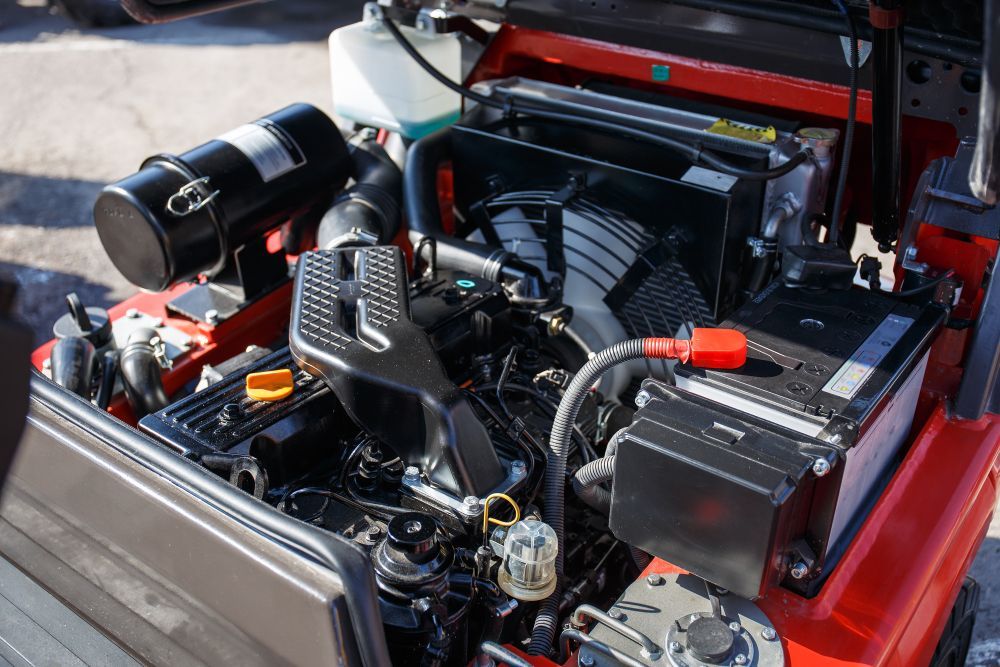
What Proper Diesel Service Requires
Diesel injector service illustrates the precision involved across the entire repair category. Flow-testing injectors requires a bench fixture calibrated to manufacturer spec; an injector that tests within tolerance on flow rate but fails on spray pattern produces combustion inefficiency that shows up as increased fuel consumption and unburned fuel in the exhaust, not as a clean diagnostic code. Replacing injectors without flow-testing the full set wastes money when one injector in the set has a different spray characteristic than the others and the problem persists. Whatever It Takes Automotive uses specialized diesel tooling rather than adapting gasoline diagnostic equipment to a different fuel system architecture.
After diesel repair is completed correctly, the truck should start on the first or second cycle without extended cranking, idle without visible smoke, and pull cleanly through the torque band without surge or hesitation under load. Those are the functional benchmarks that confirm the repair addressed the actual fault. Turbocharger service specifically should eliminate the lag or surge that prompted the complaint, with boost pressure reading within the manufacturer's target range under acceleration.
Diesel work also requires attention to fuel quality history—contaminated fuel or water intrusion damages injection system components in patterns that require different repair sequences than normal wear. The shop assesses fuel system condition as part of the diagnostic process so the repair addresses the cause rather than only the failed component.

Answers About How Diesel Work Is Done
Diesel repair involves systems and tolerances that differ substantially from gasoline engine work. The questions below address the service process and what owners should expect during diesel diagnosis and repair.
How do technicians diagnose a diesel fault before recommending repairs?
Computer diagnostics pull fault codes and live data streams covering fuel rail pressure, injector pulse width, boost pressure, and EGR flow rate—cross-referencing those data points narrows the fault to a specific system before any disassembly begins.
What makes diesel injector service different from simply replacing a part?
Injectors must be flow-tested and matched as a set; installing one new injector among worn units creates an imbalance in fuel delivery across cylinders that produces rough running and uneven combustion rather than resolving the original complaint.
When does a turbocharger require replacement versus rebuild?
Shaft play measurement and compressor wheel inspection determine whether the bearing cartridge can be rebuilt or whether the turbine housing has been heat-damaged to the point that a replacement unit is more reliable long-term—a decision that requires physical measurement, not visual inspection alone.
What conditions in the Lakewood area affect how diesel trucks are used and serviced?
Work trucks in rural Pennsylvania typically accumulate towing and hauling cycles that stress fuel systems and cooling circuits more than highway miles do; the repair patterns technicians see reflect high-load use rather than the lighter-duty cycles typical of fleet diesels in urban environments.
How is an EGR system fault diagnosed separately from an injector or turbo fault?
EGR faults produce specific data patterns—elevated exhaust backpressure readings and cooler-than-expected intake temperatures—that distinguish them from boost or fueling faults; misidentifying an EGR restriction as an injector problem results in parts replacement that does not change the underlying symptom.
Whatever It Takes Automotive also performs
diesel repairs in Weatherly, Chestnuthill, Palmerton, and Lehighton. Call (570) 798-3990 to arrange a diesel diagnostic and get a clear account of what your truck needs before any work begins.