
Jobs Most Shops Turn Away at the Door
Engine and transmission replacement in Lakewood for vehicles other shops won't take on
A failed engine or transmission leaves most drivers without options locally—the majority of repair shops decline this category of work entirely because the labor investment, diagnostic complexity, and parts sourcing involved exceed what their operations are set up to handle. Whatever It Takes Automotive in Lakewood takes on engine and transmission replacements and rebuilds for all vehicles, and has done so throughout thirty years of automotive repair. This is the work that typically ends the useful life of a vehicle at other shops; here it's a standard service category.
The process begins with a failure diagnosis to determine whether the engine or transmission can be rebuilt or whether replacement is the more cost-effective path for that vehicle and mileage. Once that decision is made in consultation with you, a quality used or rebuilt unit is sourced specifically matched to your vehicle's make, model, and engine family—not a generic fitment that requires modification. Removal, installation, and all associated adjustments are handled in-house. Before you pick up the vehicle, it goes through a full test drive to verify that the replacement unit is performing correctly under load conditions, not just at idle. Vehicles in and around Lakewood often run well past the 150,000-mile threshold on rural roads, and at that point, replacement frequently costs less than the alternative of incremental repairs on a worn original unit.
Call Whatever It Takes Automotive at (570) 798-3990 to get a free estimate on your engine or transmission situation before deciding what direction makes sense.
What Rebuild Versus Replacement Actually Means for Your Vehicle
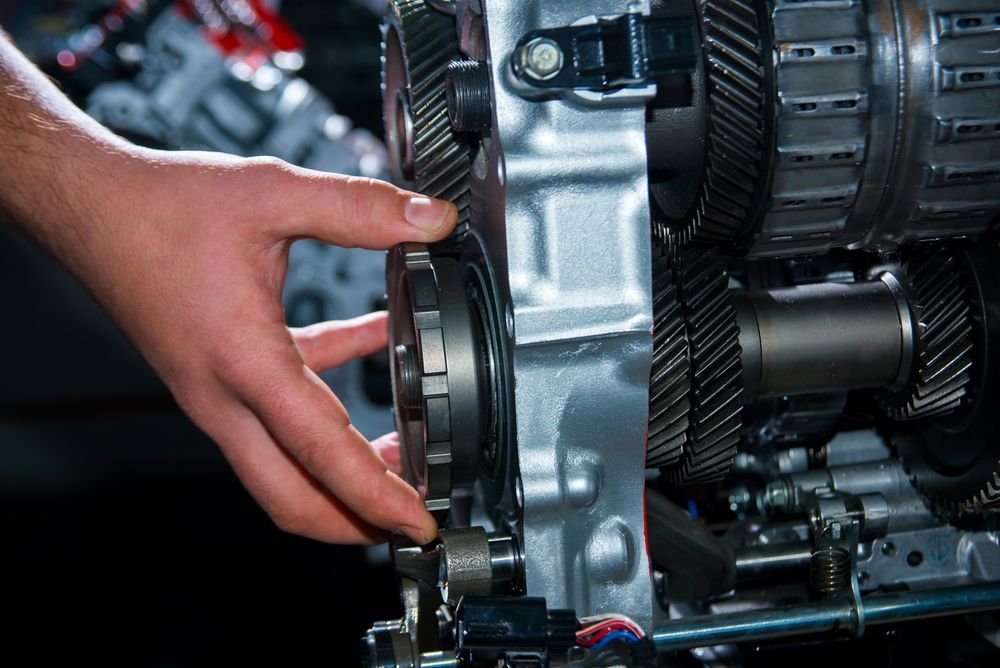
A rebuilt engine or transmission has been disassembled, inspected, and refurbished with replacement of worn components—typically bearings, seals, gaskets, and any damaged hard parts—and then reassembled to meet manufacturer tolerances. A replacement unit is a sourced engine or transmission that has already been rebuilt or reconditioned, or in some cases is a low-mileage used unit with a documented history. The right choice depends on the specific failure mode: a cracked block or a transmission case with physical damage points toward replacement, while internal wear without structural damage can often be addressed through rebuild. Part of the intake conversation at Whatever It Takes Automotive is working through that distinction with you before any commitment is made.
After the replacement or rebuild is complete and the test drive confirms correct operation, you'll notice the absence of the symptoms that indicated failure—no slipping between gears, no loss of power under load, no fluid leaks at the mating surfaces. The vehicle should accelerate and shift through its range as designed, and fluid temperatures should return to normal operating range rather than running hot from internal friction on a damaged unit.
The shop works with all insurance companies and aftermarket warranty programs, which matters for this type of repair because engine and transmission replacements frequently fall under extended warranty coverage that many repair shops are not set up to bill against. Whatever It Takes Automotive handles that process directly.

What to Know Before Engine or Transmission Work Begins
These questions address how engine and transmission replacements are scoped, sourced, and verified—and what determines which direction makes the most sense for a given vehicle.
How is the decision between rebuilding and replacing made?
The choice depends on what failed and the condition of surrounding components—a failure that damaged the block, case, or other structural parts usually makes replacement more practical, while internal wear on otherwise sound housings is often addressable through rebuild.
What does sourcing a matched replacement unit involve?
The replacement engine or transmission is matched to your specific vehicle by make, model, year, and engine displacement to ensure compatibility with your existing drivetrain, electronics, and emission systems—a non-matched unit can require additional modifications that add cost and risk.
Why does a test drive matter before vehicle pickup?
A test drive under actual load conditions verifies that the replacement unit operates correctly through its full range—acceleration, shift points, and sustained performance—rather than simply starting and idling correctly on the lift.
What are the signs that a transmission is failing rather than repairable?
Slipping during gear changes, delayed engagement when shifting from park, fluid that has burned dark, and shuddering under acceleration are indicators of internal wear or damage that typically warrants a thorough diagnosis to determine whether the unit can be rebuilt or should be replaced.
How do rural driving conditions in areas like Lehighton affect engine and transmission wear?
High-load driving on uneven roads and grades accelerates wear on transmission clutch packs and puts sustained stress on engine cooling and lubrication systems, which is why vehicles in this region often reach failure thresholds earlier than urban vehicles of the same age.
Whatever It Takes Automotive also handles engine and
transmission replacement in Lake Como, Chestnuthill, Palmerton, Weatherly, and Lehighton. Arrange a diagnostic evaluation at the shop to determine what your vehicle needs and get a written estimate before any work begins.