
Brakes That Stop When You Need Them
Brake Repair in Lakewood for vehicles pulling, grinding, or losing stopping response
Whatever It Takes Automotive handles brake repair as one of its core services in Lakewood, diagnosing and replacing pads, rotors, calipers, and brake lines across all vehicle types. The shop has operated for 30 years in automotive repair, and that track record means technicians have seen failure patterns across dozens of makes and model generations. If your vehicle is pulling to one side under braking, producing a metallic grinding sound, or requiring more pedal travel than it used to, those are the specific symptoms this shop is built to evaluate.
The inspection process at Whatever It Takes Automotive covers the full brake system: pad thickness, rotor wear and heat warping, caliper function, and hydraulic line condition. Every component is assessed before any recommendation is made, and the shop explains what was found and why each replacement is or is not necessary. Only parts that genuinely require service are flagged—free estimates are standard, and there is no pressure to authorize work that does not yet need doing. The shop works with all insurance companies and aftermarket warranty providers, so coverage questions are handled upfront rather than after the fact.
Arrange a brake inspection at Whatever It Takes Automotive to get a clear picture of your system's current condition before the problem advances.
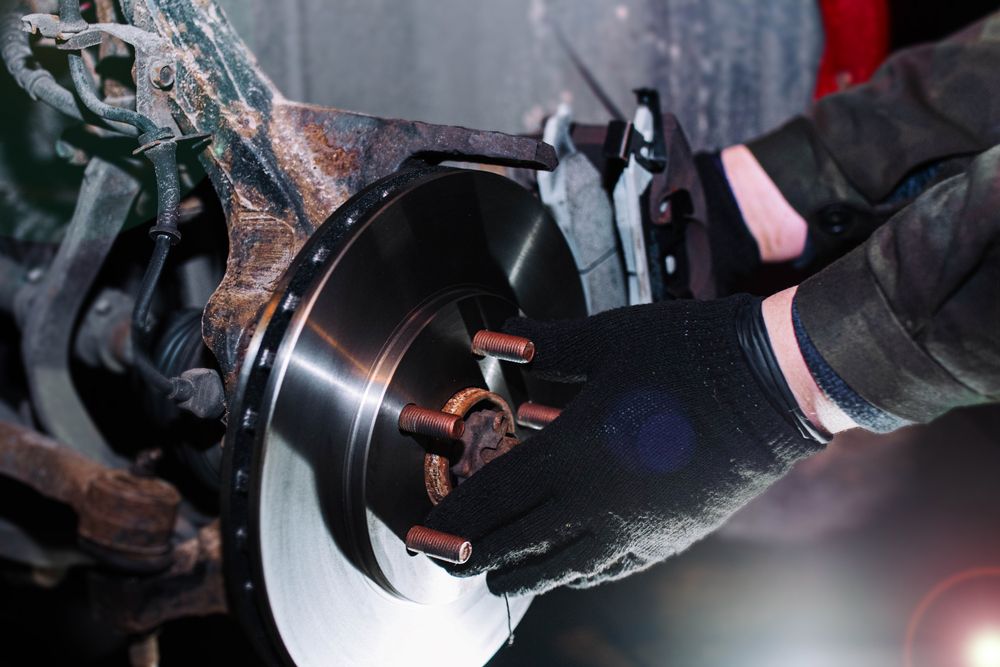
How Brake Work Is Done Correctly
Quality brake repair depends on matching replacement parts to the specific vehicle and how it is driven, not on installing the cheapest available pad for a given rotor diameter. Rotors that are below minimum thickness after machining, or pads matched to a different friction coefficient than the caliper and line pressure require, produce braking response that degrades faster than factory spec. At Whatever It Takes Automotive, parts are selected based on the vehicle's load requirements and the driver's use conditions—two details that differ between a commuter sedan and a pickup used for towing.
After replacement, the brake pedal should firm up within the first few stops during break-in, and the pulling or vibration that prompted the repair should no longer be present. Properly installed rotors do not produce pulsation through the pedal under moderate pressure, and correctly bedded pads seat evenly across the rotor face without glazing. Those are observable indicators that the job was completed to standard, not simply that parts were changed.
Brake lines and caliper slides are inspected as part of the same service, since a seized slide pin causes uneven pad wear that shortens rotor life regardless of how good the replacement pads are. If lines show corrosion or the calipers are not releasing fully, those items are included in the upfront explanation so nothing is discovered after the vehicle is already on the lift.

Common Questions About Brake Service
The questions below address how brake repair is performed and what to expect during the process, covering the specifics most vehicle owners want answered before authorizing the work.
What does a brake inspection actually cover?
A full inspection examines pad thickness on all four corners, rotor surface condition and minimum thickness, caliper piston movement and slide pin function, and brake line integrity—every part of the system that affects stopping performance, not just the most visible components.
How do technicians determine whether rotors need replacement or can be resurfaced?
Rotors have a manufacturer-specified minimum thickness, and a micrometer measurement after accounting for the metal removed during machining determines whether resurfacing is viable. If the rotor would fall below minimum thickness once surfaced, replacement is the correct call.
What causes brakes to wear unevenly across an axle?
A seized caliper slide pin is the most common cause—when one side does not release fully, that pad drags against the rotor continuously and wears down faster than the opposite side, producing uneven pedal feel and rotor scoring.
How does vehicle use affect which brake parts are appropriate?
Vehicles used for towing or hauling generate more heat at the rotor and require pads with a higher thermal tolerance; installing standard-duty pads on a truck used for towing results in faster fade and shorter service life than the part's rating suggests.
What should the pedal feel like after brake work is completed?
The pedal should feel firm and consistent from the first application after break-in, with no pulsation under moderate pressure and no pull to either side during a straight-line stop—those are the baseline indicators that components were installed correctly and that the caliper is operating evenly.
Whatever It Takes Automotive also performs
brake repair in Chestnuthill, Palmerton, Weatherly, and Lehighton. To schedule a brake inspection or request a free estimate on pads, rotors, or caliper service, call the shop directly at (570) 798-3990.