
Collision Damage Repaired to Structural Standard
Collision and autobody repair in Lakewood for vehicles with frame damage, panel damage, or structural weld repairs needed after an accident
After a collision, the visible damage is rarely the full picture. Panel deformation, frame misalignment, and compromised structural welds often extend further than what shows on the surface, and a repair that addresses only what's visible leaves the vehicle structurally weaker than it was before the accident. Whatever It Takes Automotive in Lakewood handles the complete scope of collision repair—frame straightening, panel replacement, structural welding, and full restoration to pre-accident condition—and works directly with your insurance company so the documentation and adjustment process doesn't fall to you.
The repair sequence begins with a full assessment covering the frame, panels, alignment, and electrical systems. From there, Whatever It Takes Auto pulls and straightens or replaces structural components, welds where the damage is structural, and restores the vehicle to manufacturer specifications before it leaves the shop. Every step is documented and coordinated with the insurance adjuster directly—the shop works with all insurance companies, which means you're not caught managing competing interests between the insurer and the repair facility.
Bring the vehicle in for a damage assessment to get a documented estimate that can be submitted directly to your insurance provider.
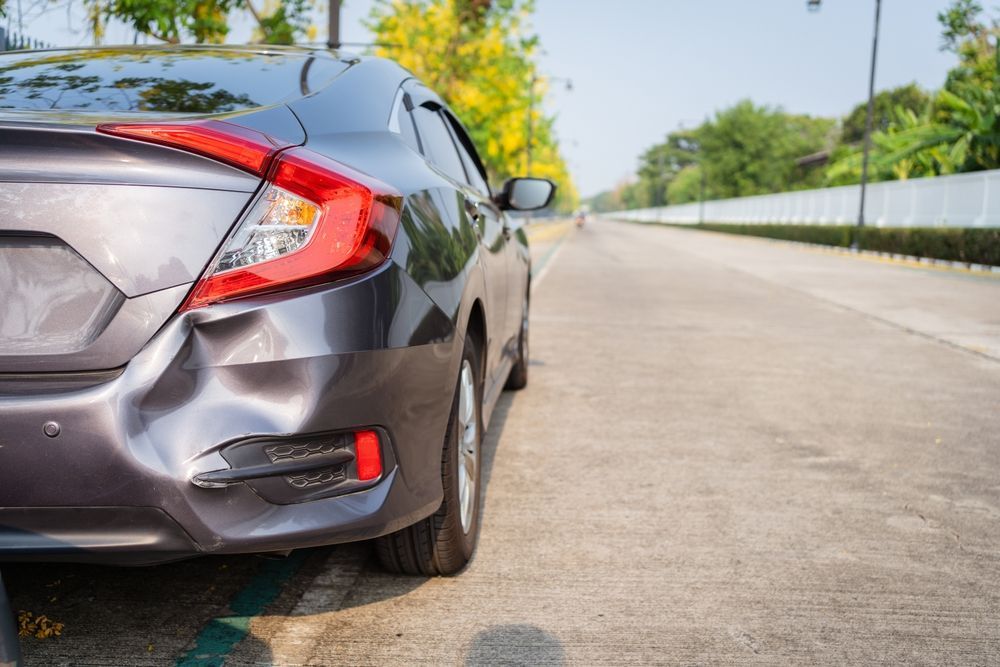
Why Collision Repair Sequencing Determines the Outcome
Frame and structural repairs follow a specific sequence because each step depends on what the previous one revealed. Pulling a frame back into alignment before replacing panels ensures panels go onto a straight surface; welding structural damage before paint work ensures the repair holds rather than cracking along the repair line later. Whatever It Takes Automotive performs each step in that order and confirms structural integrity before moving to cosmetic work—the vehicle isn't painted over damaged structure, and alignment isn't skipped because the panels look straight.
When the repair is complete, the observable result is a vehicle that tracks straight, closes and seals at every door and panel gap, and shows no stress cracking in the paint along repaired areas. Whatever It Takes Automotive's work has earned multiple show awards on customer vehicles—a level of finish that reflects how the cosmetic work is approached as part of the overall repair rather than a final coat applied after structural work is finished.
All repaired vehicles meet safety and structural standards before leaving the shop. The shop's direct relationship with insurance adjusters means the repair scope is agreed upon in writing before work begins, so there are no surprises about what the insurer covers and what the approved work includes.

Questions Before Starting Your Collision Repair
The questions below address the collision repair and autobody process specifically—how damage is assessed, what the repair involves at each stage, and what you'll see once the vehicle is returned.
How does a technician assess frame damage after a collision?
Frame assessment involves measuring the vehicle's key reference points against manufacturer specifications using frame-pulling equipment—a frame that looks straight visually can still be out of tolerance by enough to cause alignment pull, uneven tire wear, and compromised crash performance on a subsequent impact.
What does structural welding involve, and when is it required instead of panel replacement?
Structural welding is required when the damage affects load-bearing sections of the vehicle's body—rocker panels, pillars, and frame rails that cannot simply be unbolted and replaced need new metal welded in and ground flush to maintain the original structural rating of that section.
How does working directly with an insurance adjuster affect the repair process?
When the shop communicates directly with the adjuster, the approved scope is confirmed before work begins, supplement requests for hidden damage discovered during disassembly are handled shop-to-insurer rather than through the vehicle owner, and the paperwork trail is complete from the initial estimate through final approval.
What should you look for in a finished collision repair to confirm the work was done correctly?
Panel gaps should be even and consistent with the vehicle's original fit; paint color should match across all panels including those that weren't replaced; doors, hoods, and trunk lids should open, close, and latch without binding; and the vehicle should track straight on a flat road without steering correction.
Why does alignment need to be checked after collision repair even when the damage appears limited to panels?
Collision forces transfer through the body and into the suspension geometry—a hit that dents a quarter panel can shift a rear suspension point enough to cause the vehicle to dog-track, meaning the rear axle follows a slightly different path than the front, which shows up as unusual tire wear and handling drift.
Whatever It Takes Automotive handles the full collision repair process from initial assessment through final inspection, with free estimates and direct insurance coordination available on every job. Whatever It Takes Auto also performs collision and autobody repair in Chestnuthill, Palmerton, Weatherly, and Lehighton. Call (570) 798-3990 to bring the vehicle in for a documented damage assessment.